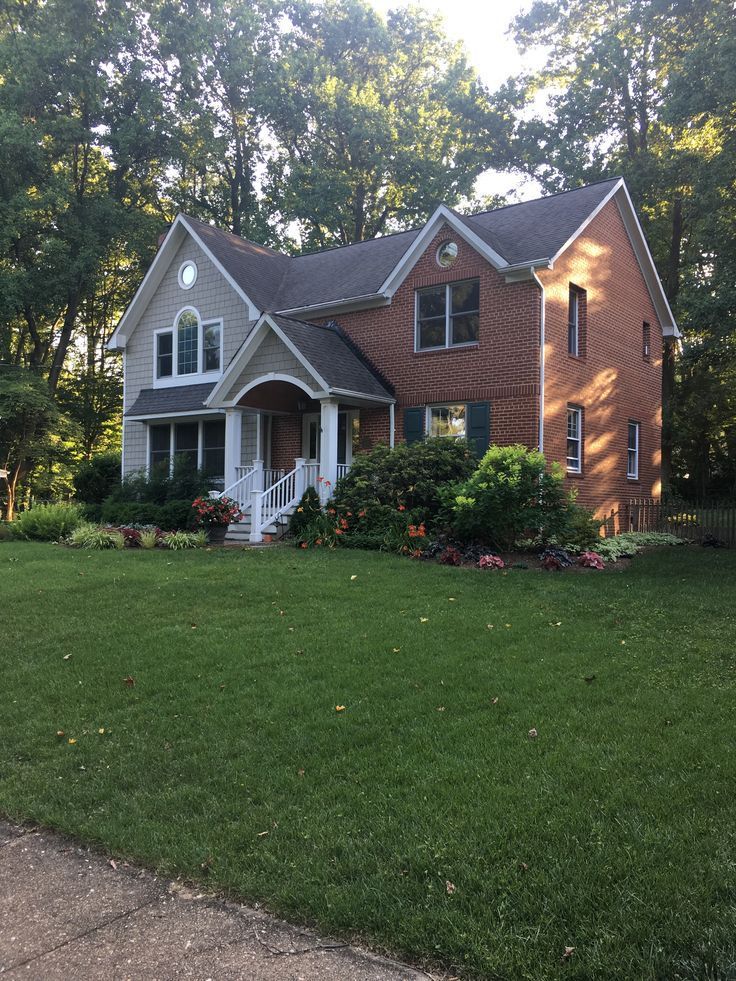
The first time most homebuyers see a closing disclosure, the line items can feel like a foreign language. They aren't — they're just labeled in the language lenders use internally. Here's what's actually in your closing costs, who pays what, and how to plan for the cash you'll need on closing day.
What Closing Costs Cover
"Closing costs" is a catch-all term that bundles a few different kinds of charges. Most Texas mortgage closings include some version of these:
- Loan origination and underwriting fees — the lender's cost to process and underwrite your file.
- Title insurance — one-time policies that protect both you and the lender from title defects.
- Appraisal fee — paid to an independent appraiser to confirm the home's value.
- Survey, inspection, and recording fees — county and service charges.
- Prepaid items — your first installments of property tax and homeowner's insurance, plus daily interest from your closing date to the end of the month.
- Escrow setup — a few months of tax and insurance held by the lender so escrow has a buffer.
For a typical Texas purchase, closing costs run roughly 2% to 5% of the loan amount. The variation depends mostly on the loan size, the property tax rate of your county, and your insurance premium.
Who Pays What
In Texas, certain costs are customarily paid by the buyer, others by the seller, and a few are negotiable in the contract. Buyer-paid items typically include the lender fees, appraisal, lender's title policy, prepaid items, and escrow. Sellers often pay the owner's title policy and prorated property taxes through the closing date.
One thing your Realtor can negotiate is a seller concession — a credit from the seller toward your closing costs. In a more balanced market, sellers are sometimes willing to credit 2–3% of the purchase price to help with your closing. That's real money and can be the difference between writing a smaller check at the table and depleting your reserves.
Loan Types Handle Costs Differently
Each program has its own quirks:
- FHA has an upfront mortgage insurance premium financed into the loan, so it doesn't add to cash-to-close. FHA details →
- VA has a funding fee that can also be financed into the loan, keeping closing-day cash low. VA loan info →
- USDA has its own guarantee fee that's financed. USDA info →
- Conventional may include PMI but no upfront premium. Conventional info →
How to Manage Cash-to-Close
A few practical levers:
- Ask your Realtor to negotiate seller-paid closing costs as part of the offer.
- Consider down payment assistance programs if you qualify — some can be used for closing costs too.
- Lock your rate at a slightly higher interest in exchange for lender credits to offset closing costs (I'll show you both sides of that math).
- Use gift funds from family if your program allows — most do, with the right documentation.
What I Show You
Before you write an offer, I provide a custom Loan Estimate with your exact closing costs based on the property and program. No estimates pulled from a generic calculator. Run my payment calculator or message me for a personalized cost sheet.
Frequently Asked Questions
How much are closing costs in Texas?
Closing costs in Texas typically run 2% to 5% of the loan amount. On a $350,000 loan, that's roughly $7,000 to $17,500. The range is driven by loan size, county property tax rate, homeowner's insurance premium, and which lender fees apply to your program. Your lender is required to provide a Loan Estimate within three business days of application — this gives you an itemized, legally binding estimate of your specific closing costs before you commit.
Who pays closing costs in Texas — buyer or seller?
In Texas, the buyer typically pays most closing costs — including lender fees, appraisal, prepaid items (taxes, insurance), escrow setup, and the lender's title policy. The seller customarily pays the owner's title policy and prorated property taxes through the closing date. However, sellers can agree to pay a portion of the buyer's closing costs (a seller concession) as part of contract negotiations. In a more balanced market, seller concessions of 2%–3% are often achievable.
Can closing costs be rolled into a mortgage in Texas?
On a refinance, closing costs can often be rolled into the new loan balance. On a purchase, you generally cannot add closing costs to the loan — you need cash to close. However, there are workarounds: lender credits (accepting a slightly higher rate in exchange for the lender covering costs), seller concessions negotiated in the contract, or down payment assistance programs that can cover closing costs for qualifying buyers. I'll show you all the options and the math on each.
Ready to take the next step?
Talk to me about your specific situation. I'll run real numbers — no estimates, no industry-speak — and tell you straight what fits. Text or call me at 469-545-7180, message me on WhatsApp, or fill out my contact form.